PURPOSE
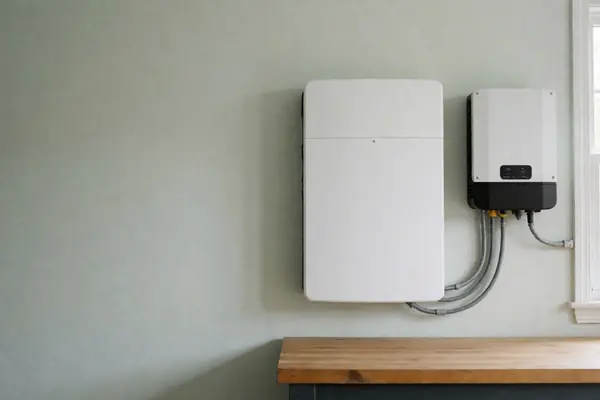
Shift solar, or back up
The Department of Energy says solar and storage can store energy for later and provide backup power during an electrical disruption. Decide which matters more to you.
Match your use bestpricehomebattery
BEFORE YOU SIGN A QUOTE
A home battery shifts electricity in time.
Match it to your home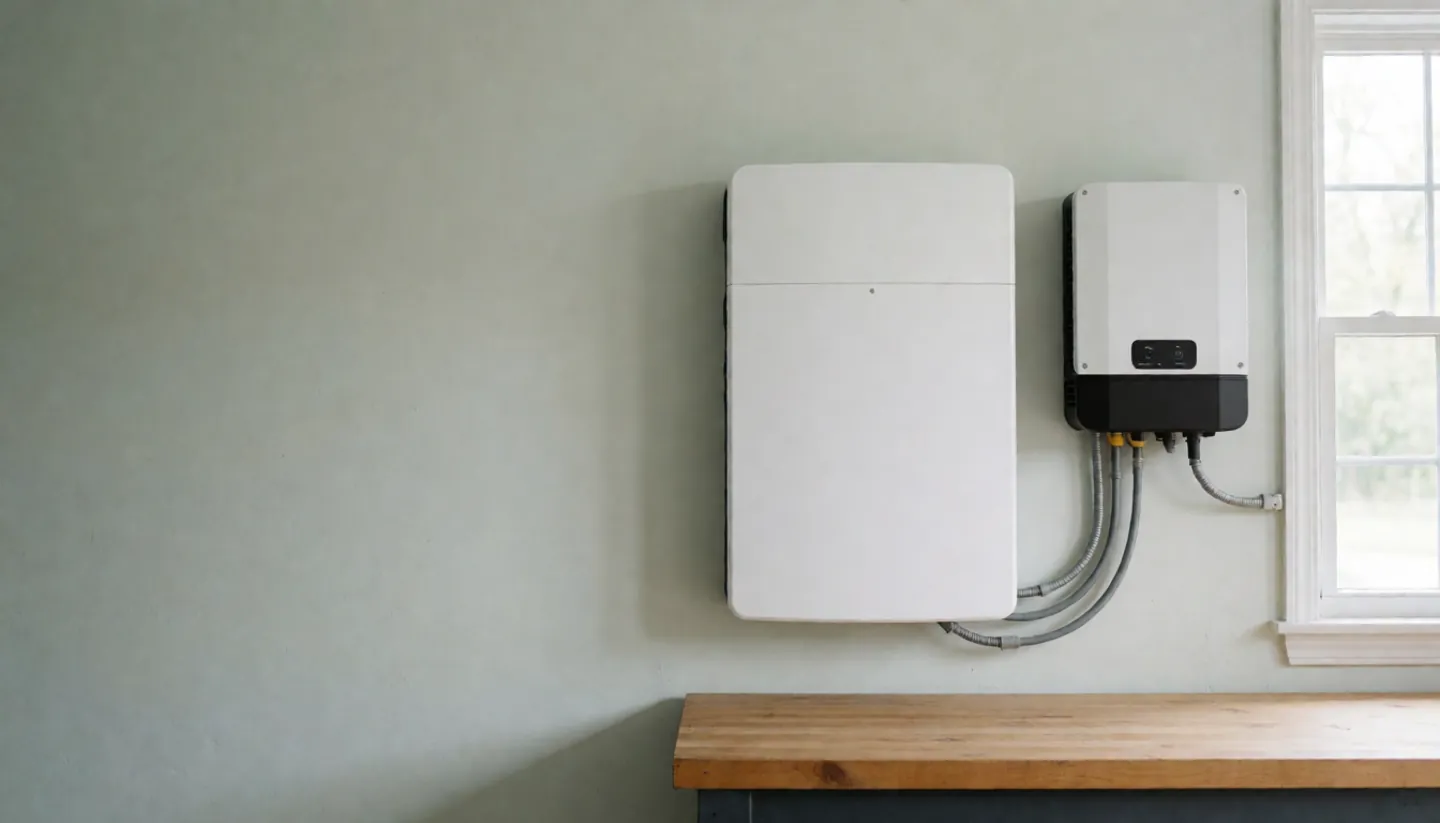
SEVERAL BIDScompared line by line
It stores spare solar and gives it back later, and it can keep essentials running in an outage. A good quote is one you can compare line by line: what it stores, what it delivers, how long it is covered, and what you are signing.
At a glance
≈ 82%
Energy returned by utility-scale batteries
The EIA says the US utility-scale battery fleet operated with an average monthly round-trip efficiency of 82% in 2019. Home systems differ, but none returns everything.
ROUND TRIP · US EIA
3 business days
Time to cancel many sales made at your home
The FTC's Cooling-Off Rule lets you cancel for a full refund until midnight of the third business day after a covered sale at your home. The seller must tell you about this right.
COOLING-OFF · FTC
TWO NUMBERS WORTH KNOWING
One figure on how much stored energy comes back,
one on how long you have to cancel a home sale.
Put simply: if about 82% comes back, 10 kWh stored returns about 8.2 kWh. Compare that loss with the price difference you hope to gain by shifting energy in time.
A QUICK FIT CHECK
Pick what you expect from a home battery to see what federal guidance says about it. The bar shows how well the guidance supports that expectation.
Based on US Department of Energy, EIA, IRS and FTC guidance. General information only, not financial or tax advice.
THE SHORT ANSWER
A battery earns its keep by moving energy in time.
Federal guidance looks at the bid before the price.
PURPOSE
The Department of Energy says solar and storage can store energy for later and provide backup power during an electrical disruption. Decide which matters more to you.
Match your useQUOTES
The FTC advises comparing detailed bids from several companies. For a battery, look at how much it stores (kWh), how much it delivers at once (kW), and the warranty.
Quote checklistLOSSES
Some energy is lost going in and out. The EIA found the US utility-scale battery fleet returned an average 82% of what it stored in 2019.
See the numbers
FOUR THINGS TO CHECK
None of this needs technical knowledge. Ask each company the same questions so the bids can be compared fairly.
The FTC advises comparing detailed bids that state the system size and the full installation cost.
Check the company with state and local consumer protection agencies and your contractor licensing board, and ask about required licenses and bonding.
Ask what warranties cover the equipment and the installation. Common battery warranties run about 10 years or a set number of cycles.
Before signing, check that the contract matches what the ads, proposals and salespeople told you, including payments, fees and maintenance.
PRESSURE SELLING
The FTC says never deal with a power or home repair company that pressures you for a quick decision, tells you to sign without time to review, or asks you to pay in cash.
For many sales made at your home, the Cooling-Off Rule gives you until midnight of the third business day to cancel. The seller must give you two copies of a cancellation form, and you do not need to give a reason.

Questions
It can, if the system is designed for it. The Department of Energy says solar and storage can provide backup power and keep essential services running during outages.
NREL's Annual Technology Baseline models a representative residential battery at 5 kW of power and 12.5 kWh of storage. Quotes should state both numbers.
The IRS says the 30% residential clean energy credit is not available for property placed in service after December 31, 2025.
Some energy is lost on the way in and out. This is measured as round-trip efficiency. The US EIA reported 82% for utility-scale batteries in 2019.
Often, yes. The FTC's Cooling-Off Rule covers many sales of $25 or more made at your home and lets you cancel until midnight of the third business day.
Sources
ABOUT THIS NAME
bestpricehomebattery.com is part of the DoodleSale portfolio. It isn't in an auction right now, but you can ask about leasing it.